
Insight
What Is Shadow AI? What Maritime Companies Should Review to Avoid AI Adoption Failure

AI adoption in shipping is no longer just about using new tools. The real question is how to use AI securely, govern it properly, and connect it to real maritime work.
MIT Project NANDA’s 2025 research shows a growing gap between official AI adoption and employee behavior. While many organizations have not formally deployed enterprise LLM tools, employees are already using personal AI for reports, contract summaries, regulation checks, and email drafting.
This is known as Shadow AI.
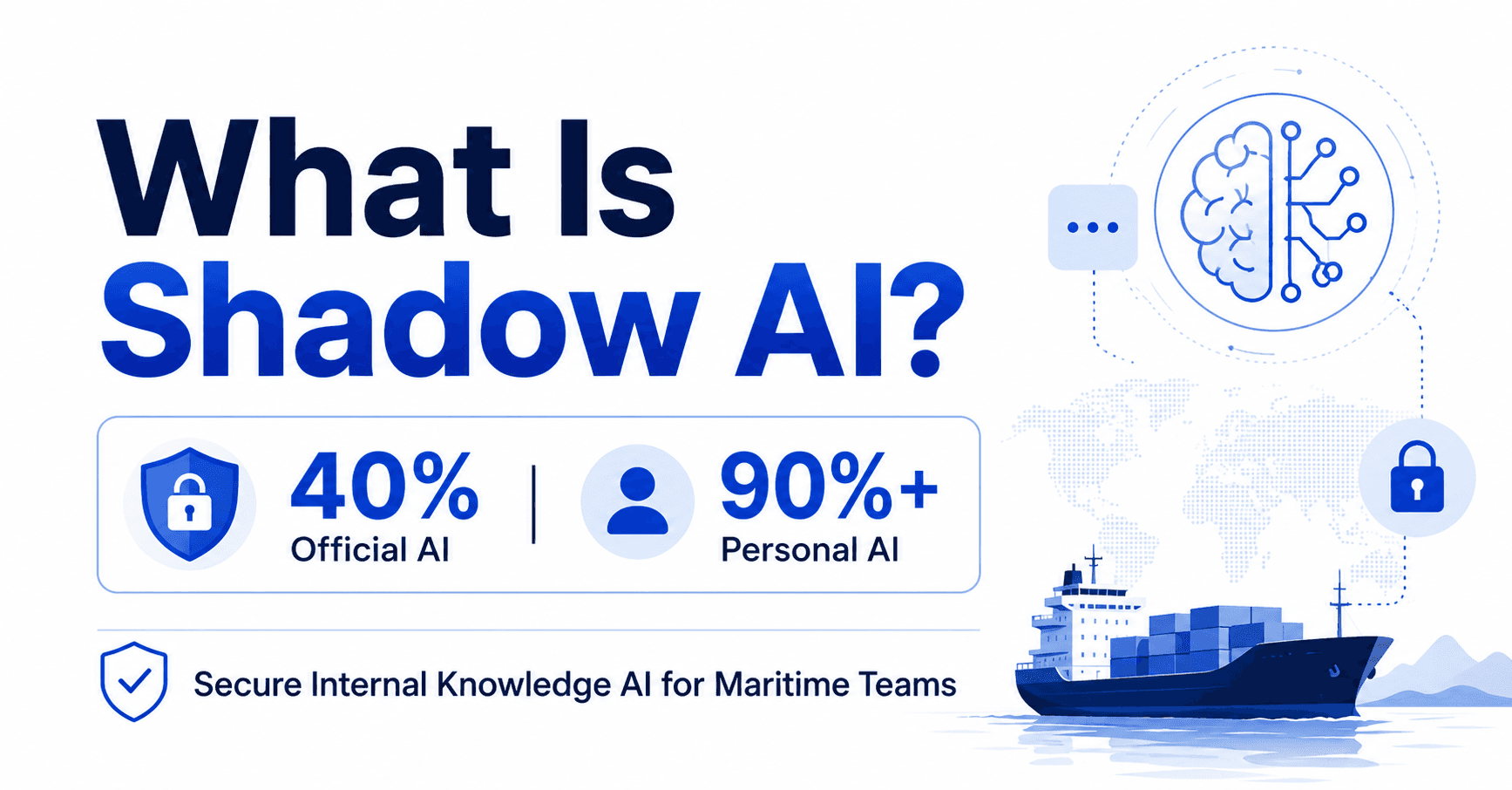
For maritime companies, Shadow AI can create risks around confidential contracts, vessel maintenance records, incident reports, regulatory documents, and internal operational data.
[Book a Free Enterprise AI & PoC Consultation →]
What Is Shadow AI?
Shadow AI is the use of AI tools without formal company approval, security review, or governance.
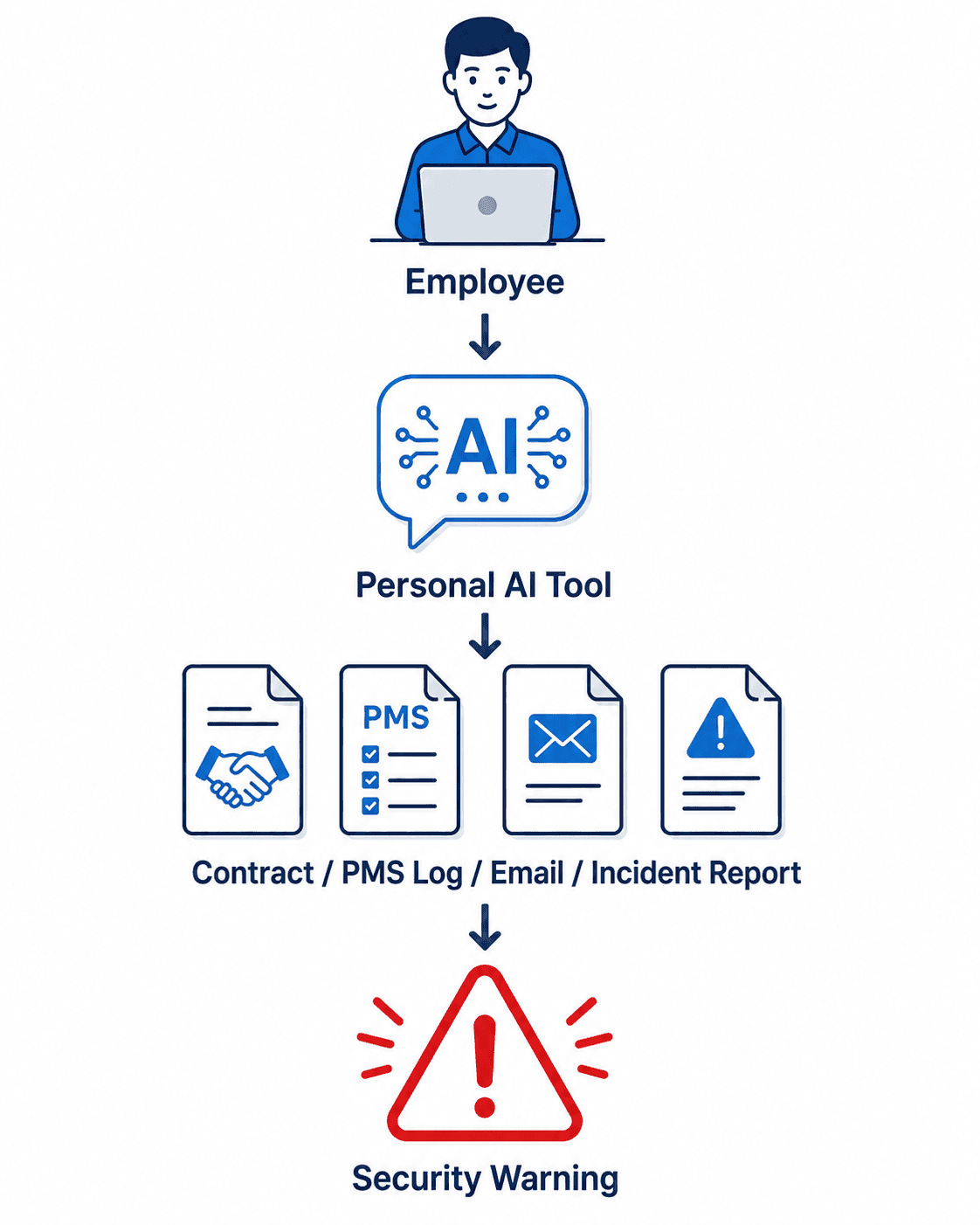
For example, an employee may paste parts of a charter party, PMS log, incident report, customer email, or internal financial document into a public AI tool to save time.
This may improve individual productivity, but it can leave the organization without visibility into where data is processed, stored, or reused.
In shipping, where safety, technical management, chartering, compliance, and insurance are closely connected, this is more than an IT issue. It is an operational and governance issue.
Why Public AI Is Not Enough
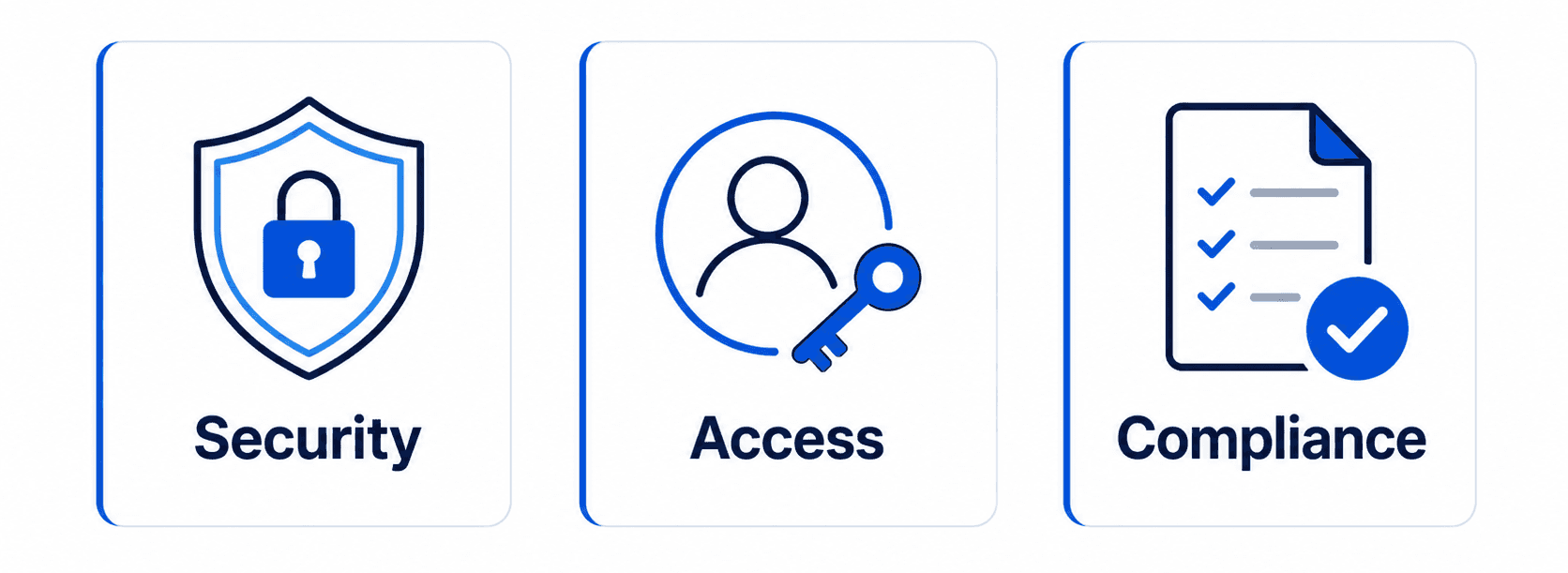
2-1. Sensitive data and access control
Shipping companies handle documents with different permission levels: charter parties, vessel drawings, maintenance reports, voyage data, internal financial records, and safety reports.
An enterprise AI environment should reflect approved document access policies instead of treating every file as openly available.
2-2. Regulatory and safety verification
IMO regulations, class rules, PSC guidance, and maintenance procedures change over time and depend on specific operating conditions.
Public AI can produce answers that sound convincing but may be incomplete or outdated. AI should help teams locate approved source documents and prepare drafts for review—not replace expert judgment on safety, regulation, or contracts.
2-3. Missing internal context
Public AI does not know your company’s fleet history, maintenance practices, vessel-specific issues, contract standards, or internal operating procedures.
That knowledge is usually scattered across local folders, NAS drives, shared documents, Slack, Notion, email, and technical systems.
Without approved internal context, AI often produces generic answers that still require employees to manually verify the real source material.
The Priority Is Knowledge Connection
Maritime companies do not necessarily need to build a proprietary AI model from scratch.
The practical first step is connecting approved internal knowledge sources in a secure environment.

This can include:
Vessel operation and maintenance reports
Charter parties and commercial documents
Safety, environmental, and compliance guidelines
Near-miss and incident records
NAS and shared-drive files
Slack, Notion, and email approval history
With the right access controls, teams can search and compare information across these sources through one AI workflow.
For example:
“Compare our latest environmental compliance guidelines with fleet maintenance records. Identify vessels requiring priority review, summarize key risks, and prepare a draft executive presentation and Excel summary.”
The AI can help find relevant documents, organize findings, and create review-ready drafts. Final regulatory interpretation, safety decisions, and contract decisions should remain with qualified personnel.
Governance Reduces Shadow AI Risk
The answer is not simply banning AI. Employees use it because they want to find information faster and reduce repetitive work.
A stronger approach is providing an approved AI environment with:
Role-based document access
Local folder and NAS connectivity
On-premise, private-cloud, or hybrid deployment options
Source verification and review workflows
Audit logs and sensitive-data policies
Conclusion
Maritime AI value does not come from using the latest public chatbot.
It comes from connecting your company’s own reports, contracts, maintenance records, operational data, and regulatory documents into a secure knowledge environment.
Wissly helps maritime organizations search approved internal knowledge, analyze fragmented business context, and prepare review-ready report drafts.
AI should not replace maritime professionals. It should help them find evidence faster, review information more efficiently, and make better-informed decisions.
Disclaimer: Integration scope, permissions, deployment architecture, and report-generation capabilities depend on each customer’s infrastructure and implementation requirements.
Related Articles
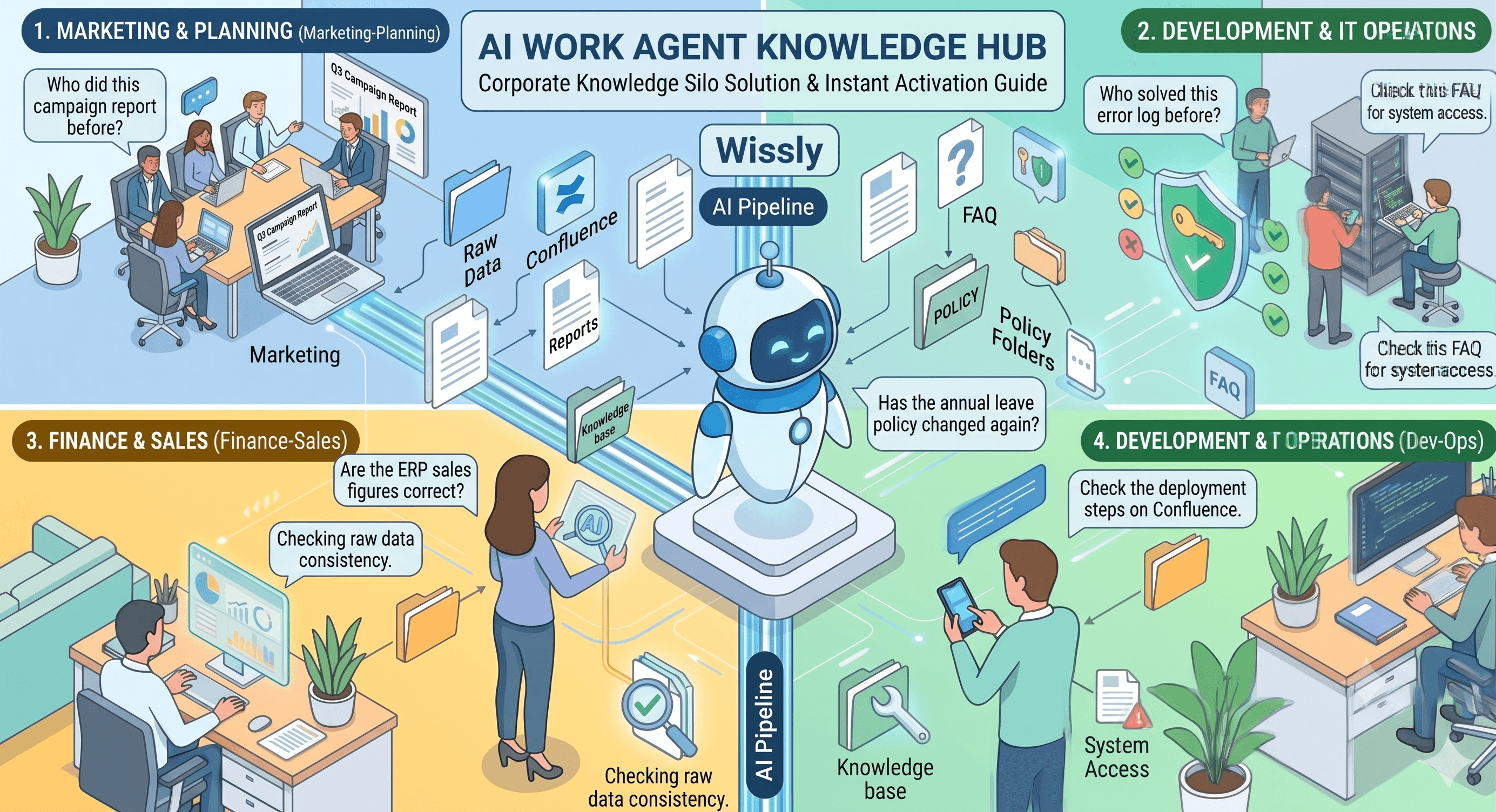
"Where Is Last Quarter's Campaign Report?"
"Did the PTO Policy Change Again?"
"Are These ERP Revenue Numbers Accurate?"
"Has Anyone Solved This Error Before?"
Recommended Content