AI Document Search: Turning "Data Debt" into Strategic Assets for Manufacturing
Transform idle maintenance logs and accident reports into actionable insights. Wissly’s On-premise AI finds answers and compares data in under 10 seconds.
Feb 26, 2026
How Document AI Transforms Unstructured Data into Strategic Assets: A Comparison with Traditional OCR
Beyond simple text extraction. Learn how Document AI assetizes unstructured data through RAG and On-premise security. See how Wissly solves the "Expert Resignation" crisis in manufacturing.
Feb 24, 2026
Retain Process History with AI: Solving the Expert Resignation Crisis
Stop losing factory expertise. Wissly AI restores 5,000+ manuals and logs in seconds. Audit SOPs and secure tech secrets with On-premise AI. Turn individual skill into corporate assets.
Feb 20, 2026
Compliance AI: How to Audit 5,000+ Contracts with Full-Scale, Secure Automation
Still manually sorting through documents for compliance? Discover Wissly, the Compliance AI capable of auditing 5,000+ documents simultaneously.
Feb 13, 2026
AI Report Writing: A 3-Step Prompt Framework for High-Quality Reports
AI report writing: How to turn 3 hours of manual data sorting into 5 minutes of decision-making. A guide to CoT and ROSES frameworks, plus how Wissly automates reporting in your company format without complex prompts.
Feb 12, 2026
2026 ESG Supply Chain Playbook: AI-Powered Contract Audits and CSDDD-Ready Risk Response
The 2026 Supply Chain Due Diligence Guide by Wissly. Discover a next-generation SCM strategy that handles everything from AI-powered full audits to real-time regulatory response and automated legal notices in under 5 minutes.
Feb 10, 2026
Supply Chain Automation: AI-Powered Mill Sheet & Invoice Verification in 10 Seconds
Stop manual data entry. Learn how Wissly automates procurement reporting by syncing 5,000+ contracts with real-time FX and LME indices in under 5 minutes.
Feb 5, 2026

How to Talk to AI: Think Colleague, Not Search Bar
Stop typing keywords. Start talking to AI like a colleague. Four practical principles for better results.
Feb 5, 2026
Hybrid AI Search: Bridging Internal Assets and External Regulations for Accuracy
Where 4,000 internal documents meet real-time external data. From automated currency conversion to project performance analysis, Wissly revolutionizes the entire reporting process.
Feb 4, 2026
Knowledge Management: How to Create AI Handover Documents in 5 Minutes
Create a complete handover document in just 5 minutes. Wissly turns years of files into clear timelines so teams transition without disruption.
Feb 2, 2026
R&D Accounting AI: Automating Expense Settlement and Compliance Checks
Wissly AI automates R&D expense matching, tax invoice checks & guideline validation—slash audit risks by 90%.
Jan 30, 2026
Manufacturing AI: Automating Manuals and Certificate Verification for Logistics
End document overload in manufacturing and logistics with Wissly. AI analyzes 4,000 manuals to verify data, generate reports, and cut manual work.
Jan 29, 2026
Academic AI Search: Analyzing 4,000 Research Papers in 10 Seconds
Analyze 4000 papers in 10 seconds with Wissly’s hybrid search. Combine internal data and live research to find evidence, not guesses.
Jan 28, 2026
2026 Research Fund Compliance: Navigating Grant Regulations with Hybrid Search
Master R&D administration with Wissly. Our Hybrid Search synchronizes 4,000+ internal documents with real-time government regulations in 10 seconds.
Jan 27, 2026
Biopharma R&D AI: Streamlining FDA Compliance and Clinical Data Analysis
Boost Biopharma R&D productivity with Wissly AI. Automate clinical data retrieval and FDA/EMA compliance with 100% evidence-based, hallucination-free insights. Secure On-premise deployment available.
Jan 26, 2026
Patent Analysis AI: Comparing Claims and Specifications in Seconds
Still comparing patent claims with highlighters? Discover how Wissly AI's RAG engine performs gap analysis on 1,000+ patent specifications in 10 seconds. Boost your IP strategy speed by 10x
Jan 23, 2026
Law Firm AI Search: Finding Winning Precedents in Massive Internal Databases
Boost law firm win rates: Search 4,000 internal assets in 10 seconds with Wissly. Uncover winning precedents and briefs instantly, bypassing file chaos. Secure semantic AI turns your firm's knowledge into victory strategies.
Jan 22, 2026
Construction Contract AI: Managing Labor Agreements and Compliance
Manage thousands of construction labor contracts in seconds using Wissly AI's semantic search. Move beyond messy filenames to instantly locate specific wage clauses and special terms through context-aware analysis. Ensure maximum compliance and data privacy with high-performance OCR and secure on-premise deployment.
Jan 21, 2026
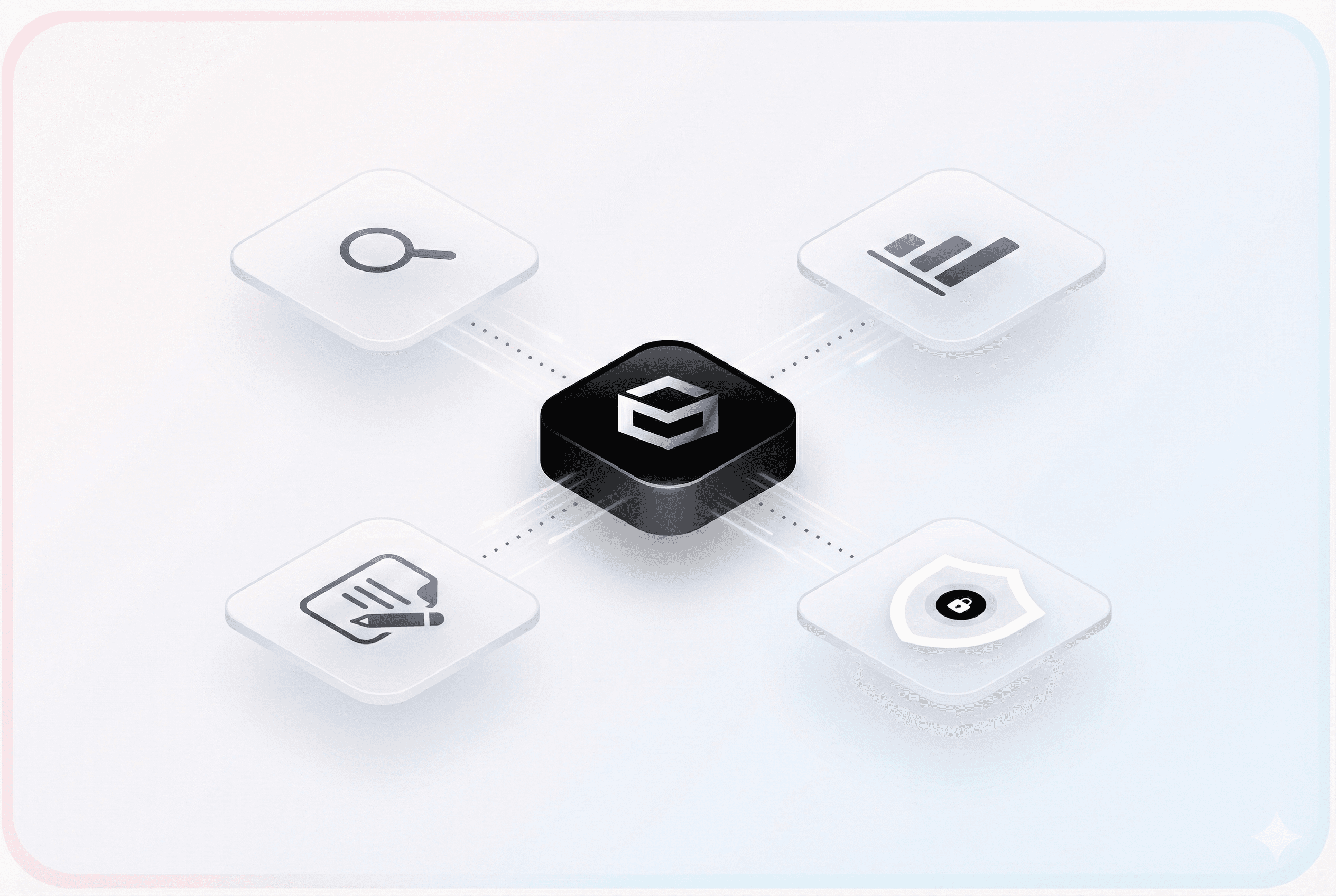
Why “One-Do-It-All AI” Keeps Falling Apart in Real Work — Designing Wissly’s Multi-Agent Architecture
Why document AI often breaks down in real-world workflows, and why Wissly chose a multi-agent architecture instead of a single do-it-all agent.
Jan 21, 2026
Procurement Optimization: AI-Driven Material Spec Analysis for Cost Reduction
Streamline procurement by automating material spec analysis and quote comparison with AI. Reduce ordering errors and quality risks by standardizing inconsistent vendor data into structured insights. Maximize decision-making efficiency using Wissly’s automated evaluation and verification workflows.
Jan 20, 2026
Data Fragmentation: Solving Reporting Silos with Enterprise AI Search
Tired of 'Final_Final_v2.pdf' chaos? Learn how to automate repetitive report writing and solve data fragmentation using Wissly.ai. Transform report creation from grunt work into strategic decision-making today.
Jan 19, 2026
Prior Art Search: A Practical Guide to AI-Based Methodology for Patent Pros
Master prior art searches from filing to invalidation using AI. This practical methodology for patent attorneys and R&D teams covers semantic search, and Wissly AI workflows to cut time and boost judgment quality.
Jan 16, 2026
AI Document Search: Why Ctrl+F is Failing Your Enterprise
Ditch Ctrl+F struggles in massive PDFs. Wissly AI semantic search delivers context-aware answers for legal and finance pros, cutting research time 80% with OCR and instant highlights.
Jan 15, 2026
RAG Checklist: Eliminating AI Hallucinations for Reliable Enterprise Data
AI hallucination creates plausible falsehoods without evidence. This practical guide explains causes and offers 7 strategies—precise prompts, format limits, verification checklists, RAG—for reliable use in work, learning, and research.
Jan 14, 2026
Local RAG vs Cloud AI: Security Comparison for Legal Teams
Legal and security teams hesitate on AI due to data exposure risks. This article compares local RAG and cloud AI security for law, compliance, audit, and IT security. Prioritize control over convenience in sensitive documents.
Jan 13, 2026
AI Strategy Reporting: Turning Corporate Assets into Logical Strategic Reports
Skilled report writers excel at precise organization, not speed. This guide distinguishes and combines AI tools for strategy reports, document summarization, automated reporting, and academic analysis. Learn how top performers leverage them for impact.
Jan 12, 2026
Deal Research AI: Contextual Summarization Strategies for Investment Analysis
Deal research succeeds with contextual summaries over data volume. Wissly AI streamlines competitor analysis and M&A diligence for BD/strategy teams. Cut review time and focus on investment decisions.
Jan 9, 2026
2026 Best AI Tools for Research Papers: Anara vs Jenni AI vs Wissly
Which AI tool is truly efficient for paper search, summarization, and deep understanding? A practical comparison of Anara, Jenni AI, and Wissly for academic research workflows.
Jan 7, 2026

Why AI Misses Key Information in Long Documents ― The “Lost in the Middle” Problem and How Wissly Addressed It
Why AI misses key information in long documents—and how Wissly improved document RAG.
Dec 30, 2025
Financial Report Auto‑Summary AI: How to Cut Finance Ops Reporting Time by 70%
Cut financial reporting time by 70% with AI summaries. Turn scattered numbers into clear insights for faster, better decisions.
Dec 24, 2025
The Practical Impact of Voyage Log Data Analysis AI for Early Detection of Fuel Overconsumption
Detect fuel overconsumption early with AI-powered voyage log analysis. Turn Noon Reports and engine logs into faster, smarter decisions.
Dec 22, 2025
When OCR Becomes the Bottleneck in Document Automation
How we eliminated OCR bottlenecks and sped up document automation with PP-OCRv5
Dec 22, 2025
Palantir and Ontology Strategy: The Importance of Internal Data Integration
Why organizations with abundant internal data still struggle with integration—and how Palantir’s ontology-first strategy reframes the problem.
Dec 18, 2025
A New Paradigm for Document Automation with Agentic Document Extraction
This post explores a new approach to document automation that views documents not as plain text, but as structured, meaningful data.
Dec 18, 2025
Designing RAG to Effectively Use Unstructured Documents
Stop wasting time digging through scattered unstructured documents. See how RAG design transforms them into searchable, reliable knowledge.
Dec 17, 2025
What Is a Knowledge Graph? — A Complete Understanding of Its Definition, Mechanisms, and Strategic Value
What is a Knowledge Graph? Learn how it connects data with meaning, powers AI, and transforms enterprise knowledge systems.
Dec 1, 2025
Comparing High-Volume Document Search Tools: Speed, Indexing, and Security-Centric Analysis
Review thousands of legal docs 80% faster with AI. This checklist helps teams adopt automated evidence classification with confidence.
Nov 25, 2025
Checklist for Practitioners Before Implementing Automated Evidence Classification and Summarization Solutions
Review thousands of legal docs 80% faster with AI. This checklist helps teams adopt automated evidence classification with confidence.
Nov 25, 2025
AI-Powered Patent Application Drafting for Patent Attorneys: Maximizing Productivity and Strategic Value
Automate patent draft creation with AI and boost attorney productivity. Save time on documentation, focus on strategy.
Nov 11, 2025

AI for Automated Maritime Logistics Document Analysis: How Shipping & Logistics Teams Can Radically Reduce Document Processing Time
AI turns financial data overload into strategic insight. Automate analysis, spot risks, and make faster decisions with confidence.
Nov 10, 2025

Enterprise Local AI: The Ultimate Guide to Building, Searching, and Scaling On-Premises AI for Modern Organizations
Build secure, private AI behind your firewall. This local AI guide covers infrastructure, search, automation, and scale strategies.
Nov 4, 2025

AI Document-Based Chatbots: How to Transform Enterprise Documents Into Conversational Knowledge
Turn internal docs into a smart chatbot. Wissly makes enterprise knowledge searchable via natural language Q&A.
Oct 31, 2025

Break Down Document Silos: Designing and Operating Enterprise AI Search for Large Organizations
Break down document silos with AI-powered enterprise search. Design one smart search window for faster, safer decisions.
Oct 30, 2025

Enterprise Document Search Strategy: Evolving Toward Semantic Search
Move beyond keyword search—semantic AI helps employees instantly find the right documents, regardless of wording or format.
Oct 30, 2025
AI Report Generation: The Complete Guide to Automated, Data-Driven Enterprise Reporting
Automate your business reports with AI. Save time, ensure accuracy, and focus on strategy—not formatting or data cleanup.
Oct 29, 2025
From Enterprise Document Search to Generative AI: The Future and Success Factors of Enterprise AI Search
From fragmented files to AI-powered answers—see how RAG search transforms enterprise knowledge access, securely and intelligently.
Oct 28, 2025

How to Cut Time and Costs in Enterprise Document Management with OCR Summarization AI
Cut document review time with OCR summarization AI. Automate key info extraction from scans, PDFs, and handwritten files.
Oct 27, 2025

What is AI-Powered Information Retrieval? Definition, Core Technologies, and Enterprise Use Cases
AI search understands meaning, not just keywords. Discover how enterprises unlock knowledge with RAG and semantic search.
Oct 24, 2025
AI-Powered Document Processing for Scans, PDFs, and Images: The Wissly Solution
Wissly turns scans, PDFs, and images into smart, searchable data using AI. Automate document workflows with full security and accuracy.
Oct 23, 2025
How to Search Even Image-based PDFs: OCR + Index-based Bulk PDF Search
Make image-based PDFs searchable with OCR and indexing. Automate bulk search for contracts, reports, and scanned files.
Oct 23, 2025
Wissly: An AI-Powered Academic Paper Summarization Tool for Busy Researchers
Wissly saves student researchers hours by summarizing Korean and English papers with AI. Smarter research starts here.
Oct 22, 2025

AI-Powered Document Writing: A Complete Guide to Saving Time and Improving Quality
Discover how AI tools like Wissly automate document creation, saving time while improving quality and security in enterprise workflows.
Oct 22, 2025

Enterprise AI Search: Unlocking Knowledge and Productivity with Internal Data
AI search goes beyond keywords. Discover how enterprise-grade systems unify documents, emails, and tools into one intelligent, secure search layer.
Oct 21, 2025

Designing a Knowledge AI Platform to Activate Enterprise Knowledge
Learn how a Knowledge AI platform transforms static documents into active, searchable insights. Unlock your enterprise’s hidden intelligence.
Oct 21, 2025

Strategic Use of AI Tools for Document Creation: Reports, Contracts, and Policy Documents
Do you want to save time and improve quality when writing reports, contracts, and policy documents? Here’s an AI tool strategy to automate repetitive tasks.
Oct 20, 2025
Scanned PDF Summarization Solution: Wissly PDF Summary
Scanned PDFs can be summarized by AI. From contracts and meeting minutes to handwritten documents—introducing Wissly’s PDF summarization solution, built for both security and accuracy.
Oct 17, 2025
What Is RAG-Based Document Search: Concepts, Mechanisms, and Enterprise Use Cases
RAG-based search connects LLMs with real data—retrieving, grounding, and generating trusted answers. Learn how enterprises use it to unlock document knowledge.
Oct 16, 2025

Notebook LM vs Wissly: A Detailed Feature Comparison
Google’s Notebook LM is great for learners. Wissly is built for secure, enterprise-scale document search. Which one fits your workflow?
Oct 15, 2025

On-Premise AI Adoption Strategy: Balancing Security, Cost, and Performance
Build secure, high-performance AI in-house. Learn when on-premise AI makes sense and how to deploy it effectively.
Oct 2, 2025

AI for Organizing Research Data: A New Paradigm for Managing Papers, Reports, and Experimental Knowledge
From scattered files to structured knowledge. Learn how AI helps research teams manage PDFs, reports, and data with summaries, tagging, and secure search.
Oct 1, 2025
Building Enterprise-Grade PDF Search with AI: Expanded Guide
Finding information across thousands of PDFs is no longer optional. Learn how AI, OCR, and hybrid search unlock fast, secure, and scalable document discovery.
Sep 30, 2025

What Is Retrieval-Augmented Generation (RAG)? – Overcoming the Limitations of LLMs
RAG bridges the gap between LLMs and your real data. Learn how this architecture delivers grounded, accurate, and up-to-date answers for enterprise AI.
Sep 29, 2025

Why Large Language Models Hallucinate — And How Wissly Solves It
LLMs sound confident—but they don’t always tell the truth. Learn why hallucinations happen and how Wissly prevents them with source-grounded answers and secure AI architecture.
Sep 26, 2025

Enterprise AI: Strategy, Use Cases, and Infrastructure for Secure Adoption
Enterprise AI is moving from pilot to production. This guide covers architecture, real-world use cases, and security essentials for responsible adoption.
Sep 26, 2025
What Is Enterprise Document Search? Key Components and Technologies
Enterprise document search goes beyond keywords. Learn how modern teams retrieve knowledge faster with AI-powered, secure, and scalable search systems.
Sep 26, 2025

Building an In-House Knowledge Search System Beyond Keyword Limitations
Keyword search isn’t enough. Learn how to build an AI-powered in-house search system that understands meaning, protects data, and scales with your team.
Sep 24, 2025

Contract Clause Search Strategy: Capturing Non-Standard Language in Legal Documents
Discover how clause-level search enables faster, more accurate legal document review by addressing ambiguous or missing contract language.
Sep 24, 2025
Rethinking Document Navigation: How PDF Search + Highlighting Transforms Information Access
Stop scrolling, start navigating. Discover how smart PDF search and real-time highlighting help you find the right information—faster and more reliably.
Sep 23, 2025
AI-Powered Document Writing: The Complete Guide to Saving Time and Boosting Quality
AI turns document chaos into clarity. Learn how modern teams automate reports, contracts, proposals, and more—securely and efficiently.
Sep 23, 2025
What Is Compliance AI: An In-Depth Guide for Legal, Ethical, and Operational Governance
Compliance AI embeds legal and ethical safeguards into AI systems—from data privacy to bias detection. Learn how it powers trustworthy, auditable, and scalable AI adoption.
Sep 19, 2025

Local RAG vs Cloud RAG: Pros, Cons, and Which Is Right for Your Enterprise
Cloud RAG offers speed and simplicity. Local RAG gives you control, privacy, and cost predictability. Discover which RAG strategy fits your enterprise.
Sep 19, 2025

Privacy-First AI Design: How to Safely Apply AI in Your Organization Without Security Risks
AI adoption shouldn’t compromise data security. Learn how to apply AI safely using local-first architecture, prompt filtering, and on-prem RAG.
Sep 18, 2025
AI Tool for Speeding Up Academic Paper Review: Summary, Citation, and Topic Tracking
Summarize, trace citations, and explore research networks faster. This guide compares top AI tools for academic paper analysis—including Elicit, Scholarcy, Scite, and Wissly.
Sep 18, 2025

What is Document-Based AI: Definition, Key Technologies, and Enterprise Applications
Document-based AI turns unstructured files into insight. Learn its core technologies, use cases across legal, finance, healthcare—and how Wissly brings it to life.
Sep 17, 2025
AI Document Search: Definition, Architecture, and Core Technologies
Tired of keyword search missing the mark? Discover how AI document search uses OCR, vectors, and GPT to find the right answers—fast and securely.
Sep 17, 2025
AI-Powered Document Content Search: Concept, Mechanism, and Use Cases
Go beyond filenames. Discover how AI-powered document search helps you find exact answers inside PDFs, scans, and internal docs—fast and securely.
Sep 16, 2025

What is Vector Search and how it’s better: How Semantic Retrieval Transforms Document Navigation
Vector search understands meaning—not just words. Learn how this AI-powered search method outperforms traditional keyword search in accuracy and speed.
Sep 16, 2025

AI Deal Research Tool with Document Summarization and Risk Analysis: Wissly
From PDF summarization to risk detection, Wissly automates every step of deal research—securely, locally, and built for professionals.
Sep 15, 2025

How LLMs Transform Knowledge Management: Secure, Compliance-First StrategiesThe Knowledge Management Challenge in Regulated Environments
LLMs turn compliance chaos into clarity. Discover how secure, RAG-powered systems are redefining knowledge management in high-stakes industries.
Sep 11, 2025

RAG vs Traditional Search: Why Retrieval-Augmented Generation Is the Future of Querying
RAG outperforms traditional search with source-backed, context-aware answers. Discover why it's the future of querying.
Sep 10, 2025
Unlocking PDF Insights with AI: A Comprehensive Guide to PDF Search AI Tools
Ctrl+F doesn’t cut it anymore. Learn how AI transforms PDF search—from keyword hunting to secure, source-backed answers at scale.
Sep 9, 2025
AI Document Search: A Comprehensive Guide to Building Secure, RAG-Powered Retrieval Systems
Build secure, high-accuracy AI document search with RAG. This guide covers tools, architecture, and real-world strategies for enterprise success.
Sep 9, 2025

AI War, Round 2: The Prelude to the Chip Competition Challenging NVIDIA's Fortress
NVIDIA’s dominance in AI chips is under siege. From AMD’s MI300X to Google’s TPU, a full-scale chip war is reshaping the AI infrastructure game.
Sep 8, 2025
Understanding and Solving Context Rot in LLMs: Why Longer Inputs Often Fail, and What You Can Do About It
Longer prompts ≠ better results. Learn how context rot degrades LLM output—and how smart input design can solve it.
Sep 1, 2025

What is GPT? Understanding the Core Technology Behind Generative AI and How Wissly Enhances It
Learn how GPT works—and how Wissly makes it enterprise-ready with secure, grounded, and customizable AI you can trust.
Aug 28, 2025

What Is AI, How It Transforms Industries, and Why It Matters to Today’s Enterprises
AI is no longer optional—it’s foundational. Learn how enterprises can unlock internal knowledge through secure, accurate, and customized AI solutions.
Aug 27, 2025

How to Survive (and Thrive) in the Generative AI Era
Generative AI is your smartest teammate—if you know how to ask. Learn how to work with AI, not against it, and thrive in the new era.
Aug 26, 2025

What is Retrieval-Augmented Generation (RAG)
RAG connects static LLMs with real-time, verified data. Learn how this hybrid AI method powers accurate, context-rich responses at scale.
Aug 22, 2025

What Is a Vector Database and Why Do Enterprises Need It Now?
Vector databases power AI by enabling semantic, real-time search over unstructured data. Here’s why enterprises can’t afford to ignore them.
Aug 21, 2025

Why Local AI Beats Cloud AI: The Secure Choice for Enterprise, Powered by Wissly
Cloud AI exposes sensitive data to risks. Learn why local AI with Wissly ensures security, compliance, and performance for enterprise document search.
Aug 20, 2025

Comparing Large-Scale Document Search Tools: Speed, Indexing, and Security
Explore the strengths and weaknesses of large-scale document search tools. Compare speed, indexing, file support, and security to find the best solution.
Aug 20, 2025

Building AI-Powered Document Management in Secure Environments: On-Premise AI and RAG-Based Search
Wissly’s language database is a key factor in enhancing the accuracy of AI-powered search based on local documents. Take a quick look at how it structures data to suit enterprise needs.
Aug 11, 2025

Optimizing Secure Document Discovery: A Guide for Legal and Compliance Teams
How to securely and accurately find thousands of documents: A summary of semantic-based document discovery strategies and tool comparisons for security-sensitive organizations.
Aug 5, 2025

What Is On-Premise Document AI: A Core Solution for Security-Driven Enterprises
AI-powered document search without the cloud. Discover what on-premise Document AI is and how secure enterprises can implement it effectively.
Aug 4, 2025

A Practical Guide to Implementing Enterprise RAG-Based AI Document Search Systems
Overcoming the Limitations of Keyword Search: Maximize Enterprise Information Utilization with AI-Based RAG Document Search, Including a Practical Guide That Also Considers Security.
Aug 4, 2025
What Is Palantir AIP? An AI-Powered Decision-Making Platform
Palantir AIP (Artificial Intelligence Platform) is a next-generation AI solution designed to help organizations securely connect and operationalize massive amounts of data.
Jul 30, 2025

What’s an AI Document Search Service? A New Way to Find Answers in the Maze of Documents
The keyword search era is over. Discover how AI-powered document search finds the exact answer you need from thousands of files—securely and accurately.
Jul 28, 2025
Vector-Based Document Search vs. Keyword Search: Which Is More Accurate?
Keyword search has limits. Vector search understands context and dramatically improves accuracy. See the comparison now.
Jul 28, 2025
AI Document Search: How Wissly Transforms Internal Document Management
AI document search with Wissly eliminates keyword guesswork, boosts accuracy, and ensures secure, fast answers from your internal files.
Jul 24, 2025

AI Document Explorer: Comparing SaaS vs. On-Prem Solutions for Secure Enterprise Search
AI Document Explorer: Comparing SaaS vs. On-Prem Solutions for Secure Enterprise Search
Jul 22, 2025

Document-Based RAG: How to Build Secure and Accurate Enterprise Search
Learn how document-based RAG systems help enterprises build secure, accurate internal search tools—vital for regulated, document-heavy industries.
Jul 21, 2025

Overcoming LLM Limitations: RAG vs. LoRA Explained for Enterprise AI
RAG and LoRA help solve hallucination issues in AI. Here's how each approach improves trust and accuracy for enterprise use cases.
Jul 17, 2025
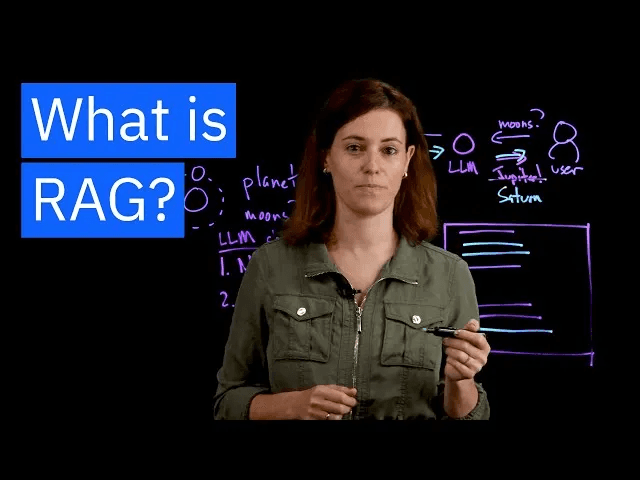
Understanding RAG: IBM’s Take on Retrieval-Augmented Generation
IBM explains how RAG enhances LLMs by improving accuracy, traceability, and freshness—key for enterprise-ready AI.
Jul 16, 2025

Document-Based RAG: How to Build a Trustworthy Knowledge Retrieval System
Learn how to implement document-based RAG systems for secure, reliable, and explainable enterprise AI search—without compromising compliance.
Jul 14, 2025
Document Search Solution Guide: How to Extract Accurate Information from Massive Files
Discover the best document search solutions to extract accurate information fast—while meeting enterprise security and compliance standards.
Jul 10, 2025
AI Document Search: Turning "Data Debt" into Strategic Assets for Manufacturing
Transform idle maintenance logs and accident reports into actionable insights. Wissly’s On-premise AI finds answers and compares data in under 10 seconds.
Feb 26, 2026
How Document AI Transforms Unstructured Data into Strategic Assets: A Comparison with Traditional OCR
Beyond simple text extraction. Learn how Document AI assetizes unstructured data through RAG and On-premise security. See how Wissly solves the "Expert Resignation" crisis in manufacturing.
Feb 24, 2026
Retain Process History with AI: Solving the Expert Resignation Crisis
Stop losing factory expertise. Wissly AI restores 5,000+ manuals and logs in seconds. Audit SOPs and secure tech secrets with On-premise AI. Turn individual skill into corporate assets.
Feb 20, 2026
Compliance AI: How to Audit 5,000+ Contracts with Full-Scale, Secure Automation
Still manually sorting through documents for compliance? Discover Wissly, the Compliance AI capable of auditing 5,000+ documents simultaneously.
Feb 13, 2026
AI Report Writing: A 3-Step Prompt Framework for High-Quality Reports
AI report writing: How to turn 3 hours of manual data sorting into 5 minutes of decision-making. A guide to CoT and ROSES frameworks, plus how Wissly automates reporting in your company format without complex prompts.
Feb 12, 2026
2026 ESG Supply Chain Playbook: AI-Powered Contract Audits and CSDDD-Ready Risk Response
The 2026 Supply Chain Due Diligence Guide by Wissly. Discover a next-generation SCM strategy that handles everything from AI-powered full audits to real-time regulatory response and automated legal notices in under 5 minutes.
Feb 10, 2026
Supply Chain Automation: AI-Powered Mill Sheet & Invoice Verification in 10 Seconds
Stop manual data entry. Learn how Wissly automates procurement reporting by syncing 5,000+ contracts with real-time FX and LME indices in under 5 minutes.
Feb 5, 2026
How to Talk to AI: Think Colleague, Not Search Bar
Stop typing keywords. Start talking to AI like a colleague. Four practical principles for better results.
Feb 5, 2026
Hybrid AI Search: Bridging Internal Assets and External Regulations for Accuracy
Where 4,000 internal documents meet real-time external data. From automated currency conversion to project performance analysis, Wissly revolutionizes the entire reporting process.
Feb 4, 2026
Knowledge Management: How to Create AI Handover Documents in 5 Minutes
Create a complete handover document in just 5 minutes. Wissly turns years of files into clear timelines so teams transition without disruption.
Feb 2, 2026
R&D Accounting AI: Automating Expense Settlement and Compliance Checks
Wissly AI automates R&D expense matching, tax invoice checks & guideline validation—slash audit risks by 90%.
Jan 30, 2026
Manufacturing AI: Automating Manuals and Certificate Verification for Logistics
End document overload in manufacturing and logistics with Wissly. AI analyzes 4,000 manuals to verify data, generate reports, and cut manual work.
Jan 29, 2026
Academic AI Search: Analyzing 4,000 Research Papers in 10 Seconds
Analyze 4000 papers in 10 seconds with Wissly’s hybrid search. Combine internal data and live research to find evidence, not guesses.
Jan 28, 2026
2026 Research Fund Compliance: Navigating Grant Regulations with Hybrid Search
Master R&D administration with Wissly. Our Hybrid Search synchronizes 4,000+ internal documents with real-time government regulations in 10 seconds.
Jan 27, 2026
Biopharma R&D AI: Streamlining FDA Compliance and Clinical Data Analysis
Boost Biopharma R&D productivity with Wissly AI. Automate clinical data retrieval and FDA/EMA compliance with 100% evidence-based, hallucination-free insights. Secure On-premise deployment available.
Jan 26, 2026
Patent Analysis AI: Comparing Claims and Specifications in Seconds
Still comparing patent claims with highlighters? Discover how Wissly AI's RAG engine performs gap analysis on 1,000+ patent specifications in 10 seconds. Boost your IP strategy speed by 10x
Jan 23, 2026
Law Firm AI Search: Finding Winning Precedents in Massive Internal Databases
Boost law firm win rates: Search 4,000 internal assets in 10 seconds with Wissly. Uncover winning precedents and briefs instantly, bypassing file chaos. Secure semantic AI turns your firm's knowledge into victory strategies.
Jan 22, 2026
Construction Contract AI: Managing Labor Agreements and Compliance
Manage thousands of construction labor contracts in seconds using Wissly AI's semantic search. Move beyond messy filenames to instantly locate specific wage clauses and special terms through context-aware analysis. Ensure maximum compliance and data privacy with high-performance OCR and secure on-premise deployment.
Jan 21, 2026
Why “One-Do-It-All AI” Keeps Falling Apart in Real Work — Designing Wissly’s Multi-Agent Architecture
Why document AI often breaks down in real-world workflows, and why Wissly chose a multi-agent architecture instead of a single do-it-all agent.
Jan 21, 2026
Procurement Optimization: AI-Driven Material Spec Analysis for Cost Reduction
Streamline procurement by automating material spec analysis and quote comparison with AI. Reduce ordering errors and quality risks by standardizing inconsistent vendor data into structured insights. Maximize decision-making efficiency using Wissly’s automated evaluation and verification workflows.
Jan 20, 2026
Data Fragmentation: Solving Reporting Silos with Enterprise AI Search
Tired of 'Final_Final_v2.pdf' chaos? Learn how to automate repetitive report writing and solve data fragmentation using Wissly.ai. Transform report creation from grunt work into strategic decision-making today.
Jan 19, 2026
Prior Art Search: A Practical Guide to AI-Based Methodology for Patent Pros
Master prior art searches from filing to invalidation using AI. This practical methodology for patent attorneys and R&D teams covers semantic search, and Wissly AI workflows to cut time and boost judgment quality.
Jan 16, 2026
AI Document Search: Why Ctrl+F is Failing Your Enterprise
Ditch Ctrl+F struggles in massive PDFs. Wissly AI semantic search delivers context-aware answers for legal and finance pros, cutting research time 80% with OCR and instant highlights.
Jan 15, 2026
RAG Checklist: Eliminating AI Hallucinations for Reliable Enterprise Data
AI hallucination creates plausible falsehoods without evidence. This practical guide explains causes and offers 7 strategies—precise prompts, format limits, verification checklists, RAG—for reliable use in work, learning, and research.
Jan 14, 2026
Local RAG vs Cloud AI: Security Comparison for Legal Teams
Legal and security teams hesitate on AI due to data exposure risks. This article compares local RAG and cloud AI security for law, compliance, audit, and IT security. Prioritize control over convenience in sensitive documents.
Jan 13, 2026
AI Strategy Reporting: Turning Corporate Assets into Logical Strategic Reports
Skilled report writers excel at precise organization, not speed. This guide distinguishes and combines AI tools for strategy reports, document summarization, automated reporting, and academic analysis. Learn how top performers leverage them for impact.
Jan 12, 2026
Deal Research AI: Contextual Summarization Strategies for Investment Analysis
Deal research succeeds with contextual summaries over data volume. Wissly AI streamlines competitor analysis and M&A diligence for BD/strategy teams. Cut review time and focus on investment decisions.
Jan 9, 2026
2026 Best AI Tools for Research Papers: Anara vs Jenni AI vs Wissly
Which AI tool is truly efficient for paper search, summarization, and deep understanding? A practical comparison of Anara, Jenni AI, and Wissly for academic research workflows.
Jan 7, 2026
Why AI Misses Key Information in Long Documents ― The “Lost in the Middle” Problem and How Wissly Addressed It
Why AI misses key information in long documents—and how Wissly improved document RAG.
Dec 30, 2025
Financial Report Auto‑Summary AI: How to Cut Finance Ops Reporting Time by 70%
Cut financial reporting time by 70% with AI summaries. Turn scattered numbers into clear insights for faster, better decisions.
Dec 24, 2025
The Practical Impact of Voyage Log Data Analysis AI for Early Detection of Fuel Overconsumption
Detect fuel overconsumption early with AI-powered voyage log analysis. Turn Noon Reports and engine logs into faster, smarter decisions.
Dec 22, 2025
When OCR Becomes the Bottleneck in Document Automation
How we eliminated OCR bottlenecks and sped up document automation with PP-OCRv5
Dec 22, 2025
Palantir and Ontology Strategy: The Importance of Internal Data Integration
Why organizations with abundant internal data still struggle with integration—and how Palantir’s ontology-first strategy reframes the problem.
Dec 18, 2025
A New Paradigm for Document Automation with Agentic Document Extraction
This post explores a new approach to document automation that views documents not as plain text, but as structured, meaningful data.
Dec 18, 2025
Designing RAG to Effectively Use Unstructured Documents
Stop wasting time digging through scattered unstructured documents. See how RAG design transforms them into searchable, reliable knowledge.
Dec 17, 2025
What Is a Knowledge Graph? — A Complete Understanding of Its Definition, Mechanisms, and Strategic Value
What is a Knowledge Graph? Learn how it connects data with meaning, powers AI, and transforms enterprise knowledge systems.
Dec 1, 2025
Comparing High-Volume Document Search Tools: Speed, Indexing, and Security-Centric Analysis
Review thousands of legal docs 80% faster with AI. This checklist helps teams adopt automated evidence classification with confidence.
Nov 25, 2025
Checklist for Practitioners Before Implementing Automated Evidence Classification and Summarization Solutions
Review thousands of legal docs 80% faster with AI. This checklist helps teams adopt automated evidence classification with confidence.
Nov 25, 2025
AI-Powered Patent Application Drafting for Patent Attorneys: Maximizing Productivity and Strategic Value
Automate patent draft creation with AI and boost attorney productivity. Save time on documentation, focus on strategy.
Nov 11, 2025
AI for Automated Maritime Logistics Document Analysis: How Shipping & Logistics Teams Can Radically Reduce Document Processing Time
AI turns financial data overload into strategic insight. Automate analysis, spot risks, and make faster decisions with confidence.
Nov 10, 2025
Enterprise Local AI: The Ultimate Guide to Building, Searching, and Scaling On-Premises AI for Modern Organizations
Build secure, private AI behind your firewall. This local AI guide covers infrastructure, search, automation, and scale strategies.
Nov 4, 2025
AI Document-Based Chatbots: How to Transform Enterprise Documents Into Conversational Knowledge
Turn internal docs into a smart chatbot. Wissly makes enterprise knowledge searchable via natural language Q&A.
Oct 31, 2025
Break Down Document Silos: Designing and Operating Enterprise AI Search for Large Organizations
Break down document silos with AI-powered enterprise search. Design one smart search window for faster, safer decisions.
Oct 30, 2025
Enterprise Document Search Strategy: Evolving Toward Semantic Search
Move beyond keyword search—semantic AI helps employees instantly find the right documents, regardless of wording or format.
Oct 30, 2025
AI Report Generation: The Complete Guide to Automated, Data-Driven Enterprise Reporting
Automate your business reports with AI. Save time, ensure accuracy, and focus on strategy—not formatting or data cleanup.
Oct 29, 2025
From Enterprise Document Search to Generative AI: The Future and Success Factors of Enterprise AI Search
From fragmented files to AI-powered answers—see how RAG search transforms enterprise knowledge access, securely and intelligently.
Oct 28, 2025
How to Cut Time and Costs in Enterprise Document Management with OCR Summarization AI
Cut document review time with OCR summarization AI. Automate key info extraction from scans, PDFs, and handwritten files.
Oct 27, 2025
What is AI-Powered Information Retrieval? Definition, Core Technologies, and Enterprise Use Cases
AI search understands meaning, not just keywords. Discover how enterprises unlock knowledge with RAG and semantic search.
Oct 24, 2025
AI-Powered Document Processing for Scans, PDFs, and Images: The Wissly Solution
Wissly turns scans, PDFs, and images into smart, searchable data using AI. Automate document workflows with full security and accuracy.
Oct 23, 2025
How to Search Even Image-based PDFs: OCR + Index-based Bulk PDF Search
Make image-based PDFs searchable with OCR and indexing. Automate bulk search for contracts, reports, and scanned files.
Oct 23, 2025
Wissly: An AI-Powered Academic Paper Summarization Tool for Busy Researchers
Wissly saves student researchers hours by summarizing Korean and English papers with AI. Smarter research starts here.
Oct 22, 2025
AI-Powered Document Writing: A Complete Guide to Saving Time and Improving Quality
Discover how AI tools like Wissly automate document creation, saving time while improving quality and security in enterprise workflows.
Oct 22, 2025
Enterprise AI Search: Unlocking Knowledge and Productivity with Internal Data
AI search goes beyond keywords. Discover how enterprise-grade systems unify documents, emails, and tools into one intelligent, secure search layer.
Oct 21, 2025
Designing a Knowledge AI Platform to Activate Enterprise Knowledge
Learn how a Knowledge AI platform transforms static documents into active, searchable insights. Unlock your enterprise’s hidden intelligence.
Oct 21, 2025
Strategic Use of AI Tools for Document Creation: Reports, Contracts, and Policy Documents
Do you want to save time and improve quality when writing reports, contracts, and policy documents? Here’s an AI tool strategy to automate repetitive tasks.
Oct 20, 2025
Scanned PDF Summarization Solution: Wissly PDF Summary
Scanned PDFs can be summarized by AI. From contracts and meeting minutes to handwritten documents—introducing Wissly’s PDF summarization solution, built for both security and accuracy.
Oct 17, 2025
What Is RAG-Based Document Search: Concepts, Mechanisms, and Enterprise Use Cases
RAG-based search connects LLMs with real data—retrieving, grounding, and generating trusted answers. Learn how enterprises use it to unlock document knowledge.
Oct 16, 2025
Notebook LM vs Wissly: A Detailed Feature Comparison
Google’s Notebook LM is great for learners. Wissly is built for secure, enterprise-scale document search. Which one fits your workflow?
Oct 15, 2025
On-Premise AI Adoption Strategy: Balancing Security, Cost, and Performance
Build secure, high-performance AI in-house. Learn when on-premise AI makes sense and how to deploy it effectively.
Oct 2, 2025
AI for Organizing Research Data: A New Paradigm for Managing Papers, Reports, and Experimental Knowledge
From scattered files to structured knowledge. Learn how AI helps research teams manage PDFs, reports, and data with summaries, tagging, and secure search.
Oct 1, 2025
Building Enterprise-Grade PDF Search with AI: Expanded Guide
Finding information across thousands of PDFs is no longer optional. Learn how AI, OCR, and hybrid search unlock fast, secure, and scalable document discovery.
Sep 30, 2025
What Is Retrieval-Augmented Generation (RAG)? – Overcoming the Limitations of LLMs
RAG bridges the gap between LLMs and your real data. Learn how this architecture delivers grounded, accurate, and up-to-date answers for enterprise AI.
Sep 29, 2025
Why Large Language Models Hallucinate — And How Wissly Solves It
LLMs sound confident—but they don’t always tell the truth. Learn why hallucinations happen and how Wissly prevents them with source-grounded answers and secure AI architecture.
Sep 26, 2025
Enterprise AI: Strategy, Use Cases, and Infrastructure for Secure Adoption
Enterprise AI is moving from pilot to production. This guide covers architecture, real-world use cases, and security essentials for responsible adoption.
Sep 26, 2025
What Is Enterprise Document Search? Key Components and Technologies
Enterprise document search goes beyond keywords. Learn how modern teams retrieve knowledge faster with AI-powered, secure, and scalable search systems.
Sep 26, 2025
Building an In-House Knowledge Search System Beyond Keyword Limitations
Keyword search isn’t enough. Learn how to build an AI-powered in-house search system that understands meaning, protects data, and scales with your team.
Sep 24, 2025
Contract Clause Search Strategy: Capturing Non-Standard Language in Legal Documents
Discover how clause-level search enables faster, more accurate legal document review by addressing ambiguous or missing contract language.
Sep 24, 2025
Rethinking Document Navigation: How PDF Search + Highlighting Transforms Information Access
Stop scrolling, start navigating. Discover how smart PDF search and real-time highlighting help you find the right information—faster and more reliably.
Sep 23, 2025
AI-Powered Document Writing: The Complete Guide to Saving Time and Boosting Quality
AI turns document chaos into clarity. Learn how modern teams automate reports, contracts, proposals, and more—securely and efficiently.
Sep 23, 2025
What Is Compliance AI: An In-Depth Guide for Legal, Ethical, and Operational Governance
Compliance AI embeds legal and ethical safeguards into AI systems—from data privacy to bias detection. Learn how it powers trustworthy, auditable, and scalable AI adoption.
Sep 19, 2025
Local RAG vs Cloud RAG: Pros, Cons, and Which Is Right for Your Enterprise
Cloud RAG offers speed and simplicity. Local RAG gives you control, privacy, and cost predictability. Discover which RAG strategy fits your enterprise.
Sep 19, 2025
Privacy-First AI Design: How to Safely Apply AI in Your Organization Without Security Risks
AI adoption shouldn’t compromise data security. Learn how to apply AI safely using local-first architecture, prompt filtering, and on-prem RAG.
Sep 18, 2025
AI Tool for Speeding Up Academic Paper Review: Summary, Citation, and Topic Tracking
Summarize, trace citations, and explore research networks faster. This guide compares top AI tools for academic paper analysis—including Elicit, Scholarcy, Scite, and Wissly.
Sep 18, 2025
What is Document-Based AI: Definition, Key Technologies, and Enterprise Applications
Document-based AI turns unstructured files into insight. Learn its core technologies, use cases across legal, finance, healthcare—and how Wissly brings it to life.
Sep 17, 2025
AI Document Search: Definition, Architecture, and Core Technologies
Tired of keyword search missing the mark? Discover how AI document search uses OCR, vectors, and GPT to find the right answers—fast and securely.
Sep 17, 2025
AI-Powered Document Content Search: Concept, Mechanism, and Use Cases
Go beyond filenames. Discover how AI-powered document search helps you find exact answers inside PDFs, scans, and internal docs—fast and securely.
Sep 16, 2025
What is Vector Search and how it’s better: How Semantic Retrieval Transforms Document Navigation
Vector search understands meaning—not just words. Learn how this AI-powered search method outperforms traditional keyword search in accuracy and speed.
Sep 16, 2025
AI Deal Research Tool with Document Summarization and Risk Analysis: Wissly
From PDF summarization to risk detection, Wissly automates every step of deal research—securely, locally, and built for professionals.
Sep 15, 2025
How LLMs Transform Knowledge Management: Secure, Compliance-First StrategiesThe Knowledge Management Challenge in Regulated Environments
LLMs turn compliance chaos into clarity. Discover how secure, RAG-powered systems are redefining knowledge management in high-stakes industries.
Sep 11, 2025
RAG vs Traditional Search: Why Retrieval-Augmented Generation Is the Future of Querying
RAG outperforms traditional search with source-backed, context-aware answers. Discover why it's the future of querying.
Sep 10, 2025
Unlocking PDF Insights with AI: A Comprehensive Guide to PDF Search AI Tools
Ctrl+F doesn’t cut it anymore. Learn how AI transforms PDF search—from keyword hunting to secure, source-backed answers at scale.
Sep 9, 2025
AI Document Search: A Comprehensive Guide to Building Secure, RAG-Powered Retrieval Systems
Build secure, high-accuracy AI document search with RAG. This guide covers tools, architecture, and real-world strategies for enterprise success.
Sep 9, 2025
AI War, Round 2: The Prelude to the Chip Competition Challenging NVIDIA's Fortress
NVIDIA’s dominance in AI chips is under siege. From AMD’s MI300X to Google’s TPU, a full-scale chip war is reshaping the AI infrastructure game.
Sep 8, 2025
Understanding and Solving Context Rot in LLMs: Why Longer Inputs Often Fail, and What You Can Do About It
Longer prompts ≠ better results. Learn how context rot degrades LLM output—and how smart input design can solve it.
Sep 1, 2025
What is GPT? Understanding the Core Technology Behind Generative AI and How Wissly Enhances It
Learn how GPT works—and how Wissly makes it enterprise-ready with secure, grounded, and customizable AI you can trust.
Aug 28, 2025
What Is AI, How It Transforms Industries, and Why It Matters to Today’s Enterprises
AI is no longer optional—it’s foundational. Learn how enterprises can unlock internal knowledge through secure, accurate, and customized AI solutions.
Aug 27, 2025
How to Survive (and Thrive) in the Generative AI Era
Generative AI is your smartest teammate—if you know how to ask. Learn how to work with AI, not against it, and thrive in the new era.
Aug 26, 2025
What is Retrieval-Augmented Generation (RAG)
RAG connects static LLMs with real-time, verified data. Learn how this hybrid AI method powers accurate, context-rich responses at scale.
Aug 22, 2025
What Is a Vector Database and Why Do Enterprises Need It Now?
Vector databases power AI by enabling semantic, real-time search over unstructured data. Here’s why enterprises can’t afford to ignore them.
Aug 21, 2025
Why Local AI Beats Cloud AI: The Secure Choice for Enterprise, Powered by Wissly
Cloud AI exposes sensitive data to risks. Learn why local AI with Wissly ensures security, compliance, and performance for enterprise document search.
Aug 20, 2025
Comparing Large-Scale Document Search Tools: Speed, Indexing, and Security
Explore the strengths and weaknesses of large-scale document search tools. Compare speed, indexing, file support, and security to find the best solution.
Aug 20, 2025
Building AI-Powered Document Management in Secure Environments: On-Premise AI and RAG-Based Search
Wissly’s language database is a key factor in enhancing the accuracy of AI-powered search based on local documents. Take a quick look at how it structures data to suit enterprise needs.
Aug 11, 2025
Optimizing Secure Document Discovery: A Guide for Legal and Compliance Teams
How to securely and accurately find thousands of documents: A summary of semantic-based document discovery strategies and tool comparisons for security-sensitive organizations.
Aug 5, 2025
What Is On-Premise Document AI: A Core Solution for Security-Driven Enterprises
AI-powered document search without the cloud. Discover what on-premise Document AI is and how secure enterprises can implement it effectively.
Aug 4, 2025
A Practical Guide to Implementing Enterprise RAG-Based AI Document Search Systems
Overcoming the Limitations of Keyword Search: Maximize Enterprise Information Utilization with AI-Based RAG Document Search, Including a Practical Guide That Also Considers Security.
Aug 4, 2025
What Is Palantir AIP? An AI-Powered Decision-Making Platform
Palantir AIP (Artificial Intelligence Platform) is a next-generation AI solution designed to help organizations securely connect and operationalize massive amounts of data.
Jul 30, 2025
What’s an AI Document Search Service? A New Way to Find Answers in the Maze of Documents
The keyword search era is over. Discover how AI-powered document search finds the exact answer you need from thousands of files—securely and accurately.
Jul 28, 2025
Vector-Based Document Search vs. Keyword Search: Which Is More Accurate?
Keyword search has limits. Vector search understands context and dramatically improves accuracy. See the comparison now.
Jul 28, 2025
AI Document Search: How Wissly Transforms Internal Document Management
AI document search with Wissly eliminates keyword guesswork, boosts accuracy, and ensures secure, fast answers from your internal files.
Jul 24, 2025
AI Document Explorer: Comparing SaaS vs. On-Prem Solutions for Secure Enterprise Search
AI Document Explorer: Comparing SaaS vs. On-Prem Solutions for Secure Enterprise Search
Jul 22, 2025
Document-Based RAG: How to Build Secure and Accurate Enterprise Search
Learn how document-based RAG systems help enterprises build secure, accurate internal search tools—vital for regulated, document-heavy industries.
Jul 21, 2025
Overcoming LLM Limitations: RAG vs. LoRA Explained for Enterprise AI
RAG and LoRA help solve hallucination issues in AI. Here's how each approach improves trust and accuracy for enterprise use cases.
Jul 17, 2025
Understanding RAG: IBM’s Take on Retrieval-Augmented Generation
IBM explains how RAG enhances LLMs by improving accuracy, traceability, and freshness—key for enterprise-ready AI.
Jul 16, 2025
Document-Based RAG: How to Build a Trustworthy Knowledge Retrieval System
Learn how to implement document-based RAG systems for secure, reliable, and explainable enterprise AI search—without compromising compliance.
Jul 14, 2025
Document Search Solution Guide: How to Extract Accurate Information from Massive Files
Discover the best document search solutions to extract accurate information fast—while meeting enterprise security and compliance standards.
Jul 10, 2025
AI Document Search: Turning "Data Debt" into Strategic Assets for Manufacturing
Transform idle maintenance logs and accident reports into actionable insights. Wissly’s On-premise AI finds answers and compares data in under 10 seconds.
Feb 26, 2026
How Document AI Transforms Unstructured Data into Strategic Assets: A Comparison with Traditional OCR
Beyond simple text extraction. Learn how Document AI assetizes unstructured data through RAG and On-premise security. See how Wissly solves the "Expert Resignation" crisis in manufacturing.
Feb 24, 2026
Retain Process History with AI: Solving the Expert Resignation Crisis
Stop losing factory expertise. Wissly AI restores 5,000+ manuals and logs in seconds. Audit SOPs and secure tech secrets with On-premise AI. Turn individual skill into corporate assets.
Feb 20, 2026
Compliance AI: How to Audit 5,000+ Contracts with Full-Scale, Secure Automation
Still manually sorting through documents for compliance? Discover Wissly, the Compliance AI capable of auditing 5,000+ documents simultaneously.
Feb 13, 2026
AI Report Writing: A 3-Step Prompt Framework for High-Quality Reports
AI report writing: How to turn 3 hours of manual data sorting into 5 minutes of decision-making. A guide to CoT and ROSES frameworks, plus how Wissly automates reporting in your company format without complex prompts.
Feb 12, 2026
2026 ESG Supply Chain Playbook: AI-Powered Contract Audits and CSDDD-Ready Risk Response
The 2026 Supply Chain Due Diligence Guide by Wissly. Discover a next-generation SCM strategy that handles everything from AI-powered full audits to real-time regulatory response and automated legal notices in under 5 minutes.
Feb 10, 2026
Supply Chain Automation: AI-Powered Mill Sheet & Invoice Verification in 10 Seconds
Stop manual data entry. Learn how Wissly automates procurement reporting by syncing 5,000+ contracts with real-time FX and LME indices in under 5 minutes.
Feb 5, 2026
How to Talk to AI: Think Colleague, Not Search Bar
Stop typing keywords. Start talking to AI like a colleague. Four practical principles for better results.
Feb 5, 2026
Hybrid AI Search: Bridging Internal Assets and External Regulations for Accuracy
Where 4,000 internal documents meet real-time external data. From automated currency conversion to project performance analysis, Wissly revolutionizes the entire reporting process.
Feb 4, 2026
Knowledge Management: How to Create AI Handover Documents in 5 Minutes
Create a complete handover document in just 5 minutes. Wissly turns years of files into clear timelines so teams transition without disruption.
Feb 2, 2026
R&D Accounting AI: Automating Expense Settlement and Compliance Checks
Wissly AI automates R&D expense matching, tax invoice checks & guideline validation—slash audit risks by 90%.
Jan 30, 2026
Manufacturing AI: Automating Manuals and Certificate Verification for Logistics
End document overload in manufacturing and logistics with Wissly. AI analyzes 4,000 manuals to verify data, generate reports, and cut manual work.
Jan 29, 2026
Academic AI Search: Analyzing 4,000 Research Papers in 10 Seconds
Analyze 4000 papers in 10 seconds with Wissly’s hybrid search. Combine internal data and live research to find evidence, not guesses.
Jan 28, 2026
2026 Research Fund Compliance: Navigating Grant Regulations with Hybrid Search
Master R&D administration with Wissly. Our Hybrid Search synchronizes 4,000+ internal documents with real-time government regulations in 10 seconds.
Jan 27, 2026
Biopharma R&D AI: Streamlining FDA Compliance and Clinical Data Analysis
Boost Biopharma R&D productivity with Wissly AI. Automate clinical data retrieval and FDA/EMA compliance with 100% evidence-based, hallucination-free insights. Secure On-premise deployment available.
Jan 26, 2026
Patent Analysis AI: Comparing Claims and Specifications in Seconds
Still comparing patent claims with highlighters? Discover how Wissly AI's RAG engine performs gap analysis on 1,000+ patent specifications in 10 seconds. Boost your IP strategy speed by 10x
Jan 23, 2026
Law Firm AI Search: Finding Winning Precedents in Massive Internal Databases
Boost law firm win rates: Search 4,000 internal assets in 10 seconds with Wissly. Uncover winning precedents and briefs instantly, bypassing file chaos. Secure semantic AI turns your firm's knowledge into victory strategies.
Jan 22, 2026
Construction Contract AI: Managing Labor Agreements and Compliance
Manage thousands of construction labor contracts in seconds using Wissly AI's semantic search. Move beyond messy filenames to instantly locate specific wage clauses and special terms through context-aware analysis. Ensure maximum compliance and data privacy with high-performance OCR and secure on-premise deployment.
Jan 21, 2026
Why “One-Do-It-All AI” Keeps Falling Apart in Real Work — Designing Wissly’s Multi-Agent Architecture
Why document AI often breaks down in real-world workflows, and why Wissly chose a multi-agent architecture instead of a single do-it-all agent.
Jan 21, 2026
Procurement Optimization: AI-Driven Material Spec Analysis for Cost Reduction
Streamline procurement by automating material spec analysis and quote comparison with AI. Reduce ordering errors and quality risks by standardizing inconsistent vendor data into structured insights. Maximize decision-making efficiency using Wissly’s automated evaluation and verification workflows.
Jan 20, 2026
Data Fragmentation: Solving Reporting Silos with Enterprise AI Search
Tired of 'Final_Final_v2.pdf' chaos? Learn how to automate repetitive report writing and solve data fragmentation using Wissly.ai. Transform report creation from grunt work into strategic decision-making today.
Jan 19, 2026
Prior Art Search: A Practical Guide to AI-Based Methodology for Patent Pros
Master prior art searches from filing to invalidation using AI. This practical methodology for patent attorneys and R&D teams covers semantic search, and Wissly AI workflows to cut time and boost judgment quality.
Jan 16, 2026
AI Document Search: Why Ctrl+F is Failing Your Enterprise
Ditch Ctrl+F struggles in massive PDFs. Wissly AI semantic search delivers context-aware answers for legal and finance pros, cutting research time 80% with OCR and instant highlights.
Jan 15, 2026
RAG Checklist: Eliminating AI Hallucinations for Reliable Enterprise Data
AI hallucination creates plausible falsehoods without evidence. This practical guide explains causes and offers 7 strategies—precise prompts, format limits, verification checklists, RAG—for reliable use in work, learning, and research.
Jan 14, 2026
Local RAG vs Cloud AI: Security Comparison for Legal Teams
Legal and security teams hesitate on AI due to data exposure risks. This article compares local RAG and cloud AI security for law, compliance, audit, and IT security. Prioritize control over convenience in sensitive documents.
Jan 13, 2026
AI Strategy Reporting: Turning Corporate Assets into Logical Strategic Reports
Skilled report writers excel at precise organization, not speed. This guide distinguishes and combines AI tools for strategy reports, document summarization, automated reporting, and academic analysis. Learn how top performers leverage them for impact.
Jan 12, 2026
Deal Research AI: Contextual Summarization Strategies for Investment Analysis
Deal research succeeds with contextual summaries over data volume. Wissly AI streamlines competitor analysis and M&A diligence for BD/strategy teams. Cut review time and focus on investment decisions.
Jan 9, 2026
2026 Best AI Tools for Research Papers: Anara vs Jenni AI vs Wissly
Which AI tool is truly efficient for paper search, summarization, and deep understanding? A practical comparison of Anara, Jenni AI, and Wissly for academic research workflows.
Jan 7, 2026
Why AI Misses Key Information in Long Documents ― The “Lost in the Middle” Problem and How Wissly Addressed It
Why AI misses key information in long documents—and how Wissly improved document RAG.
Dec 30, 2025
Financial Report Auto‑Summary AI: How to Cut Finance Ops Reporting Time by 70%
Cut financial reporting time by 70% with AI summaries. Turn scattered numbers into clear insights for faster, better decisions.
Dec 24, 2025
The Practical Impact of Voyage Log Data Analysis AI for Early Detection of Fuel Overconsumption
Detect fuel overconsumption early with AI-powered voyage log analysis. Turn Noon Reports and engine logs into faster, smarter decisions.
Dec 22, 2025
When OCR Becomes the Bottleneck in Document Automation
How we eliminated OCR bottlenecks and sped up document automation with PP-OCRv5
Dec 22, 2025
Palantir and Ontology Strategy: The Importance of Internal Data Integration
Why organizations with abundant internal data still struggle with integration—and how Palantir’s ontology-first strategy reframes the problem.
Dec 18, 2025
A New Paradigm for Document Automation with Agentic Document Extraction
This post explores a new approach to document automation that views documents not as plain text, but as structured, meaningful data.
Dec 18, 2025
Designing RAG to Effectively Use Unstructured Documents
Stop wasting time digging through scattered unstructured documents. See how RAG design transforms them into searchable, reliable knowledge.
Dec 17, 2025
What Is a Knowledge Graph? — A Complete Understanding of Its Definition, Mechanisms, and Strategic Value
What is a Knowledge Graph? Learn how it connects data with meaning, powers AI, and transforms enterprise knowledge systems.
Dec 1, 2025
Comparing High-Volume Document Search Tools: Speed, Indexing, and Security-Centric Analysis
Review thousands of legal docs 80% faster with AI. This checklist helps teams adopt automated evidence classification with confidence.
Nov 25, 2025
Checklist for Practitioners Before Implementing Automated Evidence Classification and Summarization Solutions
Review thousands of legal docs 80% faster with AI. This checklist helps teams adopt automated evidence classification with confidence.
Nov 25, 2025
AI-Powered Patent Application Drafting for Patent Attorneys: Maximizing Productivity and Strategic Value
Automate patent draft creation with AI and boost attorney productivity. Save time on documentation, focus on strategy.
Nov 11, 2025
AI for Automated Maritime Logistics Document Analysis: How Shipping & Logistics Teams Can Radically Reduce Document Processing Time
AI turns financial data overload into strategic insight. Automate analysis, spot risks, and make faster decisions with confidence.
Nov 10, 2025
Enterprise Local AI: The Ultimate Guide to Building, Searching, and Scaling On-Premises AI for Modern Organizations
Build secure, private AI behind your firewall. This local AI guide covers infrastructure, search, automation, and scale strategies.
Nov 4, 2025
AI Document-Based Chatbots: How to Transform Enterprise Documents Into Conversational Knowledge
Turn internal docs into a smart chatbot. Wissly makes enterprise knowledge searchable via natural language Q&A.
Oct 31, 2025
Break Down Document Silos: Designing and Operating Enterprise AI Search for Large Organizations
Break down document silos with AI-powered enterprise search. Design one smart search window for faster, safer decisions.
Oct 30, 2025
Enterprise Document Search Strategy: Evolving Toward Semantic Search
Move beyond keyword search—semantic AI helps employees instantly find the right documents, regardless of wording or format.
Oct 30, 2025
AI Report Generation: The Complete Guide to Automated, Data-Driven Enterprise Reporting
Automate your business reports with AI. Save time, ensure accuracy, and focus on strategy—not formatting or data cleanup.
Oct 29, 2025
From Enterprise Document Search to Generative AI: The Future and Success Factors of Enterprise AI Search
From fragmented files to AI-powered answers—see how RAG search transforms enterprise knowledge access, securely and intelligently.
Oct 28, 2025
How to Cut Time and Costs in Enterprise Document Management with OCR Summarization AI
Cut document review time with OCR summarization AI. Automate key info extraction from scans, PDFs, and handwritten files.
Oct 27, 2025
What is AI-Powered Information Retrieval? Definition, Core Technologies, and Enterprise Use Cases
AI search understands meaning, not just keywords. Discover how enterprises unlock knowledge with RAG and semantic search.
Oct 24, 2025
AI-Powered Document Processing for Scans, PDFs, and Images: The Wissly Solution
Wissly turns scans, PDFs, and images into smart, searchable data using AI. Automate document workflows with full security and accuracy.
Oct 23, 2025
How to Search Even Image-based PDFs: OCR + Index-based Bulk PDF Search
Make image-based PDFs searchable with OCR and indexing. Automate bulk search for contracts, reports, and scanned files.
Oct 23, 2025
Wissly: An AI-Powered Academic Paper Summarization Tool for Busy Researchers
Wissly saves student researchers hours by summarizing Korean and English papers with AI. Smarter research starts here.
Oct 22, 2025
AI-Powered Document Writing: A Complete Guide to Saving Time and Improving Quality
Discover how AI tools like Wissly automate document creation, saving time while improving quality and security in enterprise workflows.
Oct 22, 2025
Enterprise AI Search: Unlocking Knowledge and Productivity with Internal Data
AI search goes beyond keywords. Discover how enterprise-grade systems unify documents, emails, and tools into one intelligent, secure search layer.
Oct 21, 2025
Designing a Knowledge AI Platform to Activate Enterprise Knowledge
Learn how a Knowledge AI platform transforms static documents into active, searchable insights. Unlock your enterprise’s hidden intelligence.
Oct 21, 2025
Strategic Use of AI Tools for Document Creation: Reports, Contracts, and Policy Documents
Do you want to save time and improve quality when writing reports, contracts, and policy documents? Here’s an AI tool strategy to automate repetitive tasks.
Oct 20, 2025
Scanned PDF Summarization Solution: Wissly PDF Summary
Scanned PDFs can be summarized by AI. From contracts and meeting minutes to handwritten documents—introducing Wissly’s PDF summarization solution, built for both security and accuracy.
Oct 17, 2025
What Is RAG-Based Document Search: Concepts, Mechanisms, and Enterprise Use Cases
RAG-based search connects LLMs with real data—retrieving, grounding, and generating trusted answers. Learn how enterprises use it to unlock document knowledge.
Oct 16, 2025
Notebook LM vs Wissly: A Detailed Feature Comparison
Google’s Notebook LM is great for learners. Wissly is built for secure, enterprise-scale document search. Which one fits your workflow?
Oct 15, 2025
On-Premise AI Adoption Strategy: Balancing Security, Cost, and Performance
Build secure, high-performance AI in-house. Learn when on-premise AI makes sense and how to deploy it effectively.
Oct 2, 2025
AI for Organizing Research Data: A New Paradigm for Managing Papers, Reports, and Experimental Knowledge
From scattered files to structured knowledge. Learn how AI helps research teams manage PDFs, reports, and data with summaries, tagging, and secure search.
Oct 1, 2025
Building Enterprise-Grade PDF Search with AI: Expanded Guide
Finding information across thousands of PDFs is no longer optional. Learn how AI, OCR, and hybrid search unlock fast, secure, and scalable document discovery.
Sep 30, 2025
What Is Retrieval-Augmented Generation (RAG)? – Overcoming the Limitations of LLMs
RAG bridges the gap between LLMs and your real data. Learn how this architecture delivers grounded, accurate, and up-to-date answers for enterprise AI.
Sep 29, 2025
Why Large Language Models Hallucinate — And How Wissly Solves It
LLMs sound confident—but they don’t always tell the truth. Learn why hallucinations happen and how Wissly prevents them with source-grounded answers and secure AI architecture.
Sep 26, 2025
Enterprise AI: Strategy, Use Cases, and Infrastructure for Secure Adoption
Enterprise AI is moving from pilot to production. This guide covers architecture, real-world use cases, and security essentials for responsible adoption.
Sep 26, 2025
What Is Enterprise Document Search? Key Components and Technologies
Enterprise document search goes beyond keywords. Learn how modern teams retrieve knowledge faster with AI-powered, secure, and scalable search systems.
Sep 26, 2025
Building an In-House Knowledge Search System Beyond Keyword Limitations
Keyword search isn’t enough. Learn how to build an AI-powered in-house search system that understands meaning, protects data, and scales with your team.
Sep 24, 2025
Contract Clause Search Strategy: Capturing Non-Standard Language in Legal Documents
Discover how clause-level search enables faster, more accurate legal document review by addressing ambiguous or missing contract language.
Sep 24, 2025
Rethinking Document Navigation: How PDF Search + Highlighting Transforms Information Access
Stop scrolling, start navigating. Discover how smart PDF search and real-time highlighting help you find the right information—faster and more reliably.
Sep 23, 2025
AI-Powered Document Writing: The Complete Guide to Saving Time and Boosting Quality
AI turns document chaos into clarity. Learn how modern teams automate reports, contracts, proposals, and more—securely and efficiently.
Sep 23, 2025
What Is Compliance AI: An In-Depth Guide for Legal, Ethical, and Operational Governance
Compliance AI embeds legal and ethical safeguards into AI systems—from data privacy to bias detection. Learn how it powers trustworthy, auditable, and scalable AI adoption.
Sep 19, 2025
Local RAG vs Cloud RAG: Pros, Cons, and Which Is Right for Your Enterprise
Cloud RAG offers speed and simplicity. Local RAG gives you control, privacy, and cost predictability. Discover which RAG strategy fits your enterprise.
Sep 19, 2025
Privacy-First AI Design: How to Safely Apply AI in Your Organization Without Security Risks
AI adoption shouldn’t compromise data security. Learn how to apply AI safely using local-first architecture, prompt filtering, and on-prem RAG.
Sep 18, 2025
AI Tool for Speeding Up Academic Paper Review: Summary, Citation, and Topic Tracking
Summarize, trace citations, and explore research networks faster. This guide compares top AI tools for academic paper analysis—including Elicit, Scholarcy, Scite, and Wissly.
Sep 18, 2025
What is Document-Based AI: Definition, Key Technologies, and Enterprise Applications
Document-based AI turns unstructured files into insight. Learn its core technologies, use cases across legal, finance, healthcare—and how Wissly brings it to life.
Sep 17, 2025
AI Document Search: Definition, Architecture, and Core Technologies
Tired of keyword search missing the mark? Discover how AI document search uses OCR, vectors, and GPT to find the right answers—fast and securely.
Sep 17, 2025
AI-Powered Document Content Search: Concept, Mechanism, and Use Cases
Go beyond filenames. Discover how AI-powered document search helps you find exact answers inside PDFs, scans, and internal docs—fast and securely.
Sep 16, 2025
What is Vector Search and how it’s better: How Semantic Retrieval Transforms Document Navigation
Vector search understands meaning—not just words. Learn how this AI-powered search method outperforms traditional keyword search in accuracy and speed.
Sep 16, 2025
AI Deal Research Tool with Document Summarization and Risk Analysis: Wissly
From PDF summarization to risk detection, Wissly automates every step of deal research—securely, locally, and built for professionals.
Sep 15, 2025
How LLMs Transform Knowledge Management: Secure, Compliance-First StrategiesThe Knowledge Management Challenge in Regulated Environments
LLMs turn compliance chaos into clarity. Discover how secure, RAG-powered systems are redefining knowledge management in high-stakes industries.
Sep 11, 2025
RAG vs Traditional Search: Why Retrieval-Augmented Generation Is the Future of Querying
RAG outperforms traditional search with source-backed, context-aware answers. Discover why it's the future of querying.
Sep 10, 2025
Unlocking PDF Insights with AI: A Comprehensive Guide to PDF Search AI Tools
Ctrl+F doesn’t cut it anymore. Learn how AI transforms PDF search—from keyword hunting to secure, source-backed answers at scale.
Sep 9, 2025
AI Document Search: A Comprehensive Guide to Building Secure, RAG-Powered Retrieval Systems
Build secure, high-accuracy AI document search with RAG. This guide covers tools, architecture, and real-world strategies for enterprise success.
Sep 9, 2025
AI War, Round 2: The Prelude to the Chip Competition Challenging NVIDIA's Fortress
NVIDIA’s dominance in AI chips is under siege. From AMD’s MI300X to Google’s TPU, a full-scale chip war is reshaping the AI infrastructure game.
Sep 8, 2025
Understanding and Solving Context Rot in LLMs: Why Longer Inputs Often Fail, and What You Can Do About It
Longer prompts ≠ better results. Learn how context rot degrades LLM output—and how smart input design can solve it.
Sep 1, 2025
What is GPT? Understanding the Core Technology Behind Generative AI and How Wissly Enhances It
Learn how GPT works—and how Wissly makes it enterprise-ready with secure, grounded, and customizable AI you can trust.
Aug 28, 2025
What Is AI, How It Transforms Industries, and Why It Matters to Today’s Enterprises
AI is no longer optional—it’s foundational. Learn how enterprises can unlock internal knowledge through secure, accurate, and customized AI solutions.
Aug 27, 2025
How to Survive (and Thrive) in the Generative AI Era
Generative AI is your smartest teammate—if you know how to ask. Learn how to work with AI, not against it, and thrive in the new era.
Aug 26, 2025
What is Retrieval-Augmented Generation (RAG)
RAG connects static LLMs with real-time, verified data. Learn how this hybrid AI method powers accurate, context-rich responses at scale.
Aug 22, 2025
What Is a Vector Database and Why Do Enterprises Need It Now?
Vector databases power AI by enabling semantic, real-time search over unstructured data. Here’s why enterprises can’t afford to ignore them.
Aug 21, 2025
Why Local AI Beats Cloud AI: The Secure Choice for Enterprise, Powered by Wissly
Cloud AI exposes sensitive data to risks. Learn why local AI with Wissly ensures security, compliance, and performance for enterprise document search.
Aug 20, 2025
Comparing Large-Scale Document Search Tools: Speed, Indexing, and Security
Explore the strengths and weaknesses of large-scale document search tools. Compare speed, indexing, file support, and security to find the best solution.
Aug 20, 2025
Building AI-Powered Document Management in Secure Environments: On-Premise AI and RAG-Based Search
Wissly’s language database is a key factor in enhancing the accuracy of AI-powered search based on local documents. Take a quick look at how it structures data to suit enterprise needs.
Aug 11, 2025
Optimizing Secure Document Discovery: A Guide for Legal and Compliance Teams
How to securely and accurately find thousands of documents: A summary of semantic-based document discovery strategies and tool comparisons for security-sensitive organizations.
Aug 5, 2025
What Is On-Premise Document AI: A Core Solution for Security-Driven Enterprises
AI-powered document search without the cloud. Discover what on-premise Document AI is and how secure enterprises can implement it effectively.
Aug 4, 2025
A Practical Guide to Implementing Enterprise RAG-Based AI Document Search Systems
Overcoming the Limitations of Keyword Search: Maximize Enterprise Information Utilization with AI-Based RAG Document Search, Including a Practical Guide That Also Considers Security.
Aug 4, 2025
What Is Palantir AIP? An AI-Powered Decision-Making Platform
Palantir AIP (Artificial Intelligence Platform) is a next-generation AI solution designed to help organizations securely connect and operationalize massive amounts of data.
Jul 30, 2025
What’s an AI Document Search Service? A New Way to Find Answers in the Maze of Documents
The keyword search era is over. Discover how AI-powered document search finds the exact answer you need from thousands of files—securely and accurately.
Jul 28, 2025
Vector-Based Document Search vs. Keyword Search: Which Is More Accurate?
Keyword search has limits. Vector search understands context and dramatically improves accuracy. See the comparison now.
Jul 28, 2025
AI Document Search: How Wissly Transforms Internal Document Management
AI document search with Wissly eliminates keyword guesswork, boosts accuracy, and ensures secure, fast answers from your internal files.
Jul 24, 2025
AI Document Explorer: Comparing SaaS vs. On-Prem Solutions for Secure Enterprise Search
AI Document Explorer: Comparing SaaS vs. On-Prem Solutions for Secure Enterprise Search
Jul 22, 2025
Document-Based RAG: How to Build Secure and Accurate Enterprise Search
Learn how document-based RAG systems help enterprises build secure, accurate internal search tools—vital for regulated, document-heavy industries.
Jul 21, 2025
Overcoming LLM Limitations: RAG vs. LoRA Explained for Enterprise AI
RAG and LoRA help solve hallucination issues in AI. Here's how each approach improves trust and accuracy for enterprise use cases.
Jul 17, 2025
Understanding RAG: IBM’s Take on Retrieval-Augmented Generation
IBM explains how RAG enhances LLMs by improving accuracy, traceability, and freshness—key for enterprise-ready AI.
Jul 16, 2025
Document-Based RAG: How to Build a Trustworthy Knowledge Retrieval System
Learn how to implement document-based RAG systems for secure, reliable, and explainable enterprise AI search—without compromising compliance.
Jul 14, 2025
Document Search Solution Guide: How to Extract Accurate Information from Massive Files
Discover the best document search solutions to extract accurate information fast—while meeting enterprise security and compliance standards.
Jul 10, 2025
We are growing rapidly with the trust of top VCs.



We are growing rapidly with the trust of top VCs.
Stop searching, Start Wissling.
Ask once. Get doc-specific answers no other AI can—Wissly alone knows what you exact need
Stop searching, Start Wissling.
Ask once. Get doc-specific answers no other AI can—Wissly alone knows what you exact need
Stop searching, Start Wissling.
Ask once. Get doc-specific answers no other AI can—Wissly alone knows what you exact need

An AI that learns all your documents and answers instantly
StepHow Global Inc.
131 Continental Dr, Suite 305, Newark, DE 19713, USA
© 2025 Wissly. All rights reserved.
An AI that learns all your documents
and answers instantly
StepHow Global Inc.
131 Continental Dr, Suite 305, Newark, DE 19713, USA
© 2025 Wissly. All rights reserved.
An AI that learns all your
documents and answers instantly
StepHow Global Inc.
131 Continental Dr, Suite 305, Newark, DE 19713, USA
© 2025 Wissly. All rights reserved.